
Vintage, Antique, and Estate Jewelry: What’s the Real Difference?
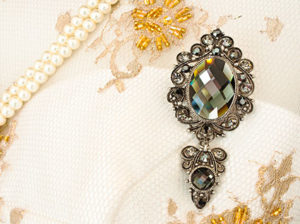
Walk into any jewelry store and you’re likely to hear terms like vintage jewelry, antique jewelry, and estate jewelry used regularly. While many people assume they’re interchangeable, each term has a specific meaning. Understanding the differences can help you make a more informed purchase, whether you’re searching for a one-of-a-kind engagement ring, a meaningful heirloom, or a piece with character and history.
At Earth Treasures, we meet clients every day who are drawn to jewelry with a story. Some are looking for a distinctive diamond ring that stands apart from today’s trends. Others want the craftsmanship and artistry often found in older pieces. Whatever brings you to estate jewelry, knowing exactly what you’re buying is the first step.
Estate Jewelry: The Broad Category
Let’s start with the term that causes the most confusion.
What Is Estate Jewelry?
Estate jewelry refers to any previously owned piece of jewelry, regardless of its age.
A diamond ring purchased five years ago and traded back to a jeweler qualifies as estate jewelry. So does a Victorian brooch that has been passed through multiple generations. The term simply indicates prior ownership.
This means estate jewelry can include:
- Modern fine jewelry
- Vintage jewelry
- Antique jewelry
- Designer jewelry
- Signed jewelry from well-known brands
- Previously owned engagement rings
Because estate jewelry encompasses such a wide range of styles and eras, it offers exceptional variety for buyers seeking something unique.
Why Estate Jewelry Is So Popular
Estate jewelry allows buyers to access pieces that may no longer be manufactured, including designs, gemstone cuts, and craftsmanship techniques that are difficult to find in modern collections.
Many clients also appreciate the value proposition. Estate pieces often offer larger gemstones, higher-quality materials, and more intricate workmanship than similarly priced new jewelry.
For those seeking individuality, estate jewelry provides an opportunity to own something truly distinctive rather than selecting from a mass-produced collection.
Antique Jewelry: A True Piece of History
Not all estate jewelry is antique, but all antique jewelry is considered estate jewelry.
What Qualifies as Antique Jewelry?
A piece is generally classified as antique when it is at least 100 years old.
That means jewelry created during periods such as:
- Victorian Era (1837-1901)
- Edwardian Era (1901-1915)
- Art Nouveau Period (1890-1910)
- Early Art Deco Period (1920s)
Antique jewelry often reflects the design influences, social trends, and craftsmanship standards of its time. Every era tells a different story through its materials, gemstone cuts, settings, and decorative details.
Characteristics of Antique Jewelry
Many antique pieces feature elements rarely seen in contemporary jewelry, including:
- Old Mine Cut diamonds
- Old European Cut diamonds
- Hand engraving
- Filigree metalwork
- Intricate milgrain detailing
- Platinum and yellow gold craftsmanship
Because these pieces were often handmade, subtle variations add personality and charm.
Collectors and jewelry enthusiasts frequently seek antique jewelry because of its historical significance and artistic value. Every piece serves as a small window into another era.
Vintage Jewelry: The Best of Past Decades
Vintage jewelry occupies the space between modern and antique jewelry.
What Is Considered Vintage Jewelry?
While definitions can vary slightly, most jewelers classify jewelry as vintage when it is between 20 and 99 years old.
Popular vintage eras include:
- Art Deco (1920s-1930s)
- Retro Jewelry (1940s-1950s)
- Mid-Century Modern (1950s-1960s)
- Contemporary Vintage (1970s-1990s)
Vintage jewelry often reflects the design trends that defined each decade.
An Art Deco ring might feature geometric patterns and bold symmetry. A Retro-era piece may showcase dramatic gold work and colorful gemstones. Jewelry from the 1980s often embraces larger stones and statement-making designs.
Why Buyers Love Vintage Jewelry
Vintage jewelry offers a compelling blend of character and wearability.
Unlike antique pieces, many vintage designs feel surprisingly modern while still offering unique details that distinguish them from today’s collections.
Buyers are often drawn to vintage engagement rings because they combine timeless elegance with individuality. Instead of choosing a ring that looks like everyone else’s, a vintage design offers personality, craftsmanship, and history.
Vintage Engagement Rings vs. Antique Engagement Rings
One of the most common questions we hear involves engagement rings.
Vintage Engagement Rings
Vintage engagement rings typically date from the 1920s through the late twentieth century. They often feature design elements that remain highly desirable today, including:
- Geometric Art Deco styling
- Halo settings
- Intricate side stones
- Colored gemstone accents
- Unique diamond cuts
Many couples choose vintage engagement rings because they feel distinctive without appearing overly traditional.
Antique Engagement Rings
Antique engagement rings are more than a century old and often showcase exceptional hand craftsmanship.
These rings may feature:
- Old European Cut diamonds
- Delicate filigree work
- Hand-engraved details
- Historical design influences
- Rare craftsmanship techniques
For buyers who appreciate history and artistry, antique engagement rings offer an emotional connection that is difficult to replicate.
How Age Affects Value
Many people assume older jewelry automatically carries a higher value. In reality, several factors influence pricing.
What Determines Value?
A piece’s worth may depend on:
- Age
- Condition
- Rarity
- Gemstone quality
- Metal content
- Designer or maker
- Historical significance
- Market demand
An antique ring from the Edwardian era may command a premium because of its rarity and craftsmanship. A vintage designer piece may be highly sought after because collectors actively pursue that brand.
Age is important, but it is only one piece of the puzzle.
Why Estate Jewelry Continues to Stand Out
There is a reason estate jewelry remains one of the most exciting categories in fine jewelry.
Every piece carries a sense of individuality that can be difficult to find in newly manufactured collections. Whether it’s a hand-crafted antique diamond ring, a bold vintage bracelet, or a previously loved designer necklace, estate jewelry offers character, craftsmanship, and history in equal measure.
For many buyers, the appeal extends beyond aesthetics. Estate jewelry allows them to own something meaningful, something that has endured through decades and, in some cases, centuries.
Finding the Right Piece
Whether you’re drawn to the romance of antique jewelry, the distinctive style of vintage jewelry, or the broad selection available within estate jewelry, understanding the terminology helps you shop with confidence.
At Earth Treasures, our collection of estate jewelry includes carefully selected pieces that represent exceptional quality, beauty, and value. From vintage engagement rings to rare antique treasures, our experienced team can help you find a piece that reflects your personal style while honoring the craftsmanship of generations past.
The next time you hear the terms vintage, antique, and estate jewelry used together, you’ll know exactly what sets them apart. More importantly, you’ll know why each category continues to captivate jewelry lovers year after year.