
The Process Behind Estate Jewelry Appraisals and Evaluation
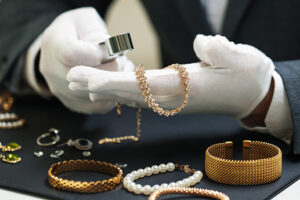
Estate jewelry has a presence that immediately sets it apart. Whether it is an estate diamond ring passed down through generations or a finely crafted antique estate ring discovered at a curated estate sale, these pieces carry a combination of craftsmanship, history, and individuality that modern jewelry rarely replicates.
At Earth Treasures Jewelers, estate jewelry appraisal is not treated as a simple pricing exercise. Each piece is studied closely to understand its origin, quality, and long-term significance within the estate jewelry market.
What Estate Jewelry Really Means
Estate jewelry refers to previously owned fine jewelry, but within that category exists a wide range of value, style, and historical importance. From vintage and estate rings to antique estate rings, each piece requires individual evaluation because no two items are exactly alike.
Many estate jewelry pieces were created in eras where hand craftsmanship defined the industry. Estate diamond rings from earlier periods often feature old European cut diamonds or old mine cut diamonds, both of which differ significantly from modern brilliant cuts.
Why Estate Jewelry Appraisal Matters
An estate jewelry appraisal provides a clear understanding of what a piece is truly worth. It is commonly used for insurance coverage, estate planning, resale, and authentication. Without a professional evaluation, it is easy to overlook important details that significantly affect value.
Estate diamond rings, antique estate rings, and vintage and estate rings often contain older cuts, unique settings, or historical design elements that require trained inspection.
Evaluating Craftsmanship and Construction
The first step in the appraisal process is examining how the piece was made. This includes studying metalwork, setting style, structural integrity, and finishing details.
Vintage and estate rings often reveal hand-crafted elements such as milgrain edges, filigree work, and hand engraving. These details help identify the era of the piece and provide insight into its craftsmanship quality.
Diamond and Gemstone Analysis
Estate diamond rings require detailed gemstone evaluation. This includes assessing cut, color, clarity, and carat weight, along with identifying whether stones have been treated or replaced.
Older diamond cuts such as old European, old mine, and rose cuts are commonly found in estate jewelry. These cuts often have a softer, character-driven appearance that differs from modern brilliant cuts.
Precious Metals and Hallmarks
Another important part of estate jewelry appraisal is identifying the metal type and verifying hallmarks. Platinum, gold, and silver all contribute differently to both value and durability.
Hallmarks and maker’s marks can also help identify the origin of estate diamond rings or vintage and estate rings, confirming age and authenticity.
Market Value and Demand
Once the physical evaluation is complete, market conditions are considered. The value of estate jewelry is influenced by demand for vintage and estate rings, rarity of design, gemstone quality, and overall condition.
Estate sale engagement rings and antique estate rings may fluctuate in value depending on collector interest and market trends.
Restoration and Future Potential
Estate jewelry is not only evaluated for value but also for potential. Many pieces can be restored, repaired, or redesigned while maintaining their original character.
Skilled bench jewelers can preserve sentimental value while improving durability and wearability.
Understanding True Estate Jewelry Value
Estate jewelry appraisal is a detailed process that combines craftsmanship analysis, gemstone grading, historical context, and market insight. Each estate diamond ring, antique estate ring, and vintage and estate ring carries its own identity.
Proper evaluation ensures that value, history, and meaning are fully understood.